Ghost Ant Facts & Information
Everything you need to know about ghost ants
What Do Ghost Ants Look Like
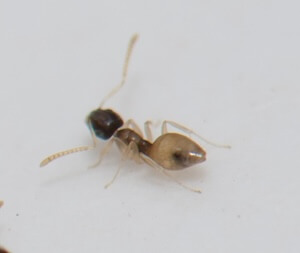
Ghost ants got their name from being small, sneaky, and nearly invisible on light surfaces. Even though they are about 1/16 of an inch, the trained eye can spot them! They have a dark brown or black head and thorax with translucent, opaque, or pale creamy-white abdomen and legs. They also have a spineless thorax and move rapidly and erratically – kind of like a spider.Not the ant you have?
How Did I Get Ghost Ants
Ghost ants are attracted indoors by the search for food (particularly sugary or greasy substances) and moisture. They are drawn to kitchens, bathrooms, and leaky pipes. Extreme outdoor weather (too dry, too wet, or too cold) can also drive them into homes or businesses to find shelter. Being so tiny, it takes a VERY small opening to allow them in. So, it’s not difficult to let them in.
Where Do Ghost Ants Live
Ghost ants live in tropical and subtropical regions worldwide, nesting in a wide variety of natural and urban environments. In the U.S., they are most common in Florida and Hawaii, though they can be found indoors nationwide in greenhouses and heated buildings. Their nests are highly adaptable so they can make one in soil, under rocks, in rotten wood, under loose bark, and even in a pile of leaves. They also nest in the hollow framing of pool enclosures and potted plants. Inside, they’re just looking for warm, humid, and hidden areas like wall voids, behind baseboards, inside cabinets, and in the soil of houseplants. They are also frequently found in tight spaces like bread boxes and shower curtain rods. Ghost ants are not adapted to living year-round in our climate. So, when they are found here, it’s usually inside buildings where climate conditions are relatively stable. Even in those cases, they have invariably been introduced in a plant or pallet or some other item transported from a location where they are established both inside and outside.
What Problems Do Ghost Ants Cause
Ghost ants are primarily nuisance pests that do not bite or sting. They cause problems by aggressively invading homes in search of food and water, which leads to food contamination, difficult indoor infestations due to multiple nesting sites, and garden damage by protecting sap-sucking pests like aphids. They are attracted to sweet, sugary, and greasy foods, leaving long foraging trails through pantries and kitchens that contaminate unsealed food sources. And while they don’t carry diseases, they do walk through filth… and then on your counter.
How Do I Prevent Ghost Ants
Preventing ghost ants starts with eliminating the food and moisture sources that attract them. Keep countertops clean, store food in sealed containers, promptly clean up spills and crumbs, and fix any leaking pipes or faucets. Sealing cracks and gaps around doors, windows, and foundations can help keep ants from entering your home. If ghost ants become established indoors, professional pest control treatments are often the most effective way to eliminate the colony and prevent future infestations. Be warned… spraying them with DIY products will most likely prompt them to disperse to other areas of your building, making them more difficult to control even by professionals.
WHY OPC FOR GHOST ANT CONTROL
We’re passionate about keeping ants out of your home or business because we live and work here – it’s our neighborhood, too. We’ve been keeping homes and businesses in Kentucky, Ohio, Illinois, Indiana, Wisconsin, and Tennessee safe from pests since 1972. OPC Pest Services has the experience you can trust.
Expert pest control since 1972
Quality Pro certified company
Satisfaction guarantee

Need help with ghost ants?
GET MY QUOTE
