Key Takeaways
- Yes, you can get bed bugs from thrifting. Clothing, linens, books, electronics, and furniture can all harbor bed bugs.
- Bed bugs hide in cracks, crevices, seams, and folded fabric, not just beds.
- Upholstered furniture and bedroom furniture carry the highest risk and should be inspected before purchase.
- Inspecting, shaking out, isolating, and heat-drying appropriate items are important steps in preventing bed bugs from thrifting.
- Carpet beetles, bat bugs, cockroach nymphs, and ticks have characteristics that can easily be mistake for a bed bug.
- If you suspect bed bugs in your home, a professional inspection can help identify the problem and determine the appropriate treatment.
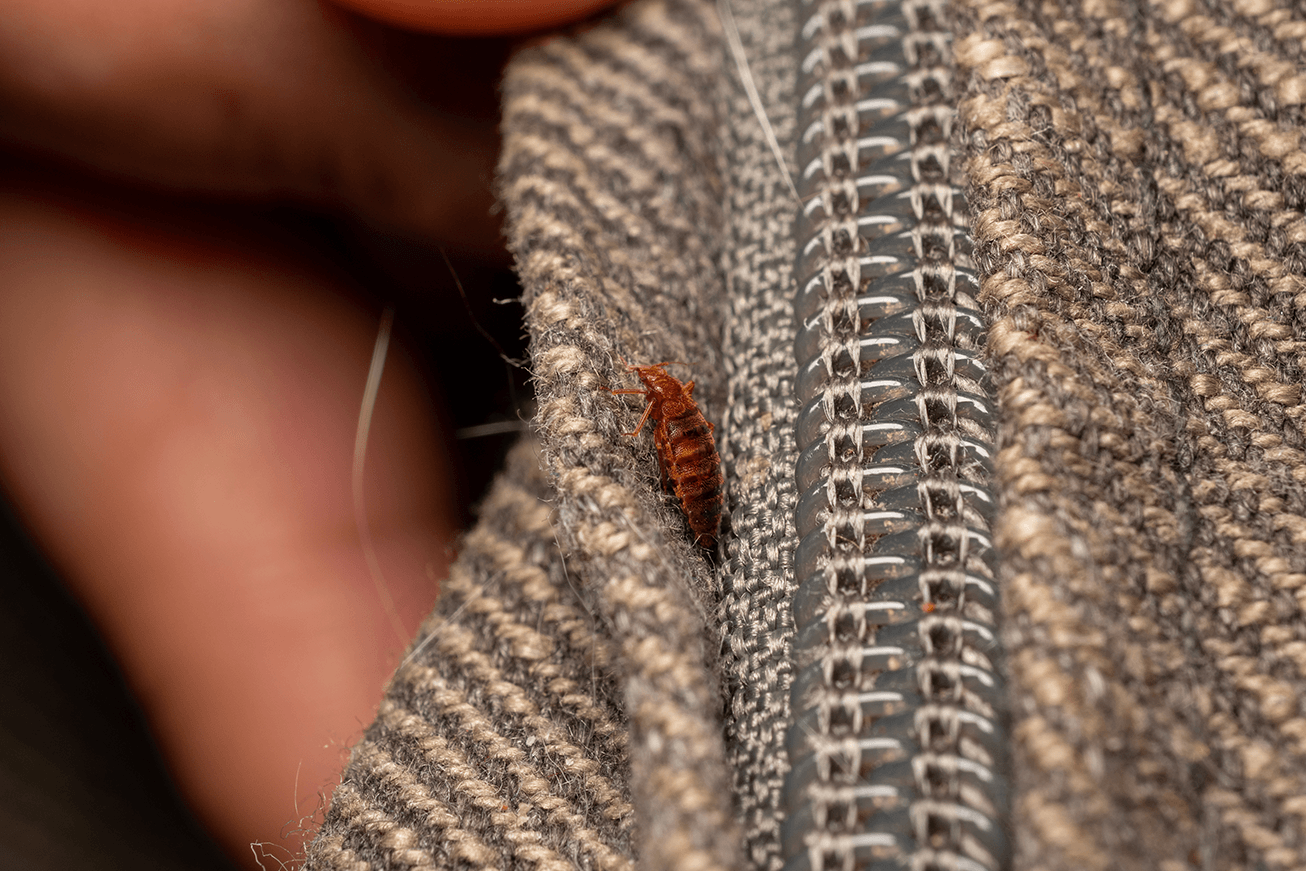
Can You Get Bed Bugs from Thrifting?
Yes, you can get bed bugs from thrifting. Thrifting is a great way to save money, find unique items, and give secondhand goods a new life. Bed bugs can hide in secondhand items and hitch a ride into your home if those items aren’t inspected properly. An unnoticed bed bug can eventually lead to an infestation, potentially costing you more in professional pest control than you saved by buying secondhand. The good news is that a few simple precautions can help reduce your risk.
At OPC Pest Services, we believe knowing what to look for is an important first step toward preventing and managing pest problems. Here’s what you need to know about bed bugs in thrifted items, how to identify potential warning signs, and how to prevent them from entering your home.
Bed bugs are not limited to mattresses or bedding. They can hide in a variety of secondhand items. Common hiding spots include:
- Clothing and fabric seams
- Bed sheets, blankets, and pillowcases
- Upholstered chairs, couches, and cushions
- Furniture joints, cracks, and crevices
- Drawers, corners, and other concealed spaces
Bed bugs are particularly good at hiding in small, dark spaces. This makes them difficult to spot during a quick inspection, especially when they’re tucked into stitching, folds, or narrow gaps.
The best way to reduce your risk is to inspect secondhand items carefully before bringing them into your home.Taking a few extra minutes to check for bed bugs can help you avoid the time, stress, and expense associated with an infestation.
Can Secondhand Furniture Give You Bed Bugs?
Yes, secondhand furniture can give you bed bugs. Despite their name, bed bugs aren’t restricted to beds. They can hide in thrifted furniture if a piece came from an infested home or was exposed to bed bugs through other items at a thrift store.
Furniture provides plenty of potential hiding places, including cracks in wooden frames, seams in upholstered cushions, and spaces where different components are joined together. Before bringing secondhand furniture home, take time to inspect it thoroughly:
- Inspect removable pillowcases and flip cushions over. Check the undersides, seams, and areas where the fabric meets the frame. Turn pillowcases inside out and examine the stitching and folds. Dry on high heat to take care of any you may have missed.
- Examine upholstered surfaces carefully. Pay particular attention to seams, edges, and areas that are difficult to see at first glance.
- Check every corner of the frame. Look closely at joints, cracks, crevices, and other concealed areas.
Which Types of Secondhand Furniture Carry the Highest Risk?
Upholstered furniture deserves extra caution because its fabric, seams, and internal construction can provide multiple hiding places for bed bugs. Sofas, armchairs, and other fabric-covered furniture should be inspected carefully before they enter your home.
Bedroom furniture also requires attention. Mattresses are an obvious concern, but bed bugs can hide in less noticeable locations, including the corners of nightstand and dresser drawers.
Even furniture that looks clean and well-maintained may harbor bed bugs. A visual inspection can help you identify warning signs, but it cannot guarantee that an item is pest-free.
We recommend thoroughly inspecting all secondhand furniture before purchasing it or bringing it into your home. Avoid assuming that an item is safe simply because it appears clean.
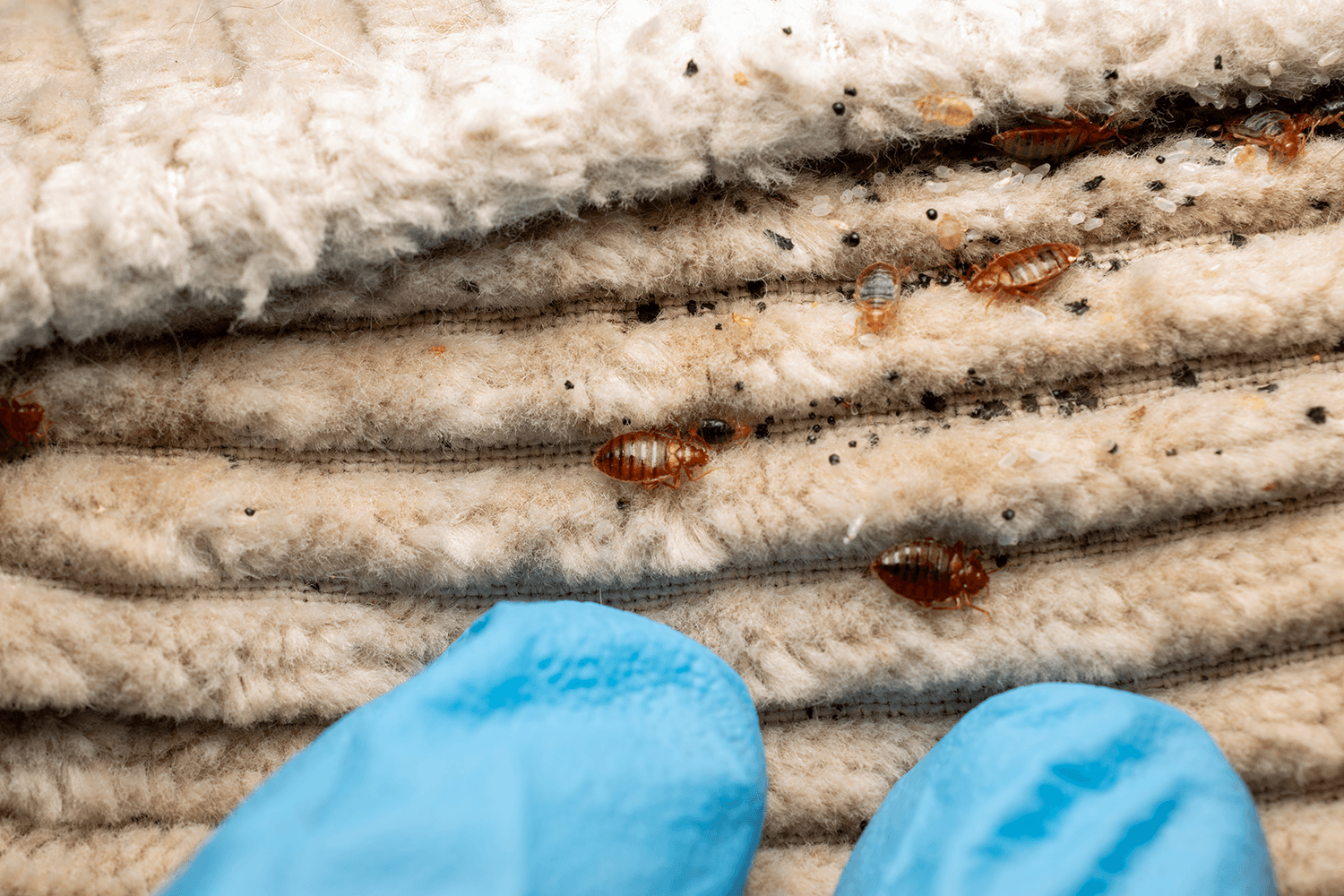
How Can You Check Thrifted Items for Bed Bugs Before Buying?
Before purchasing any secondhand item, take a few minutes to inspect it for signs of bed bugs. For clothing, turn each garment inside out, shake it out, and carefully examine the seams and stitching. Bed bugs tend to hide in small, dark spaces, making these areas important to check.
Apply the same inspection process to secondhand pillowcases, blankets, and sheets, paying close attention to folds, edges, and seams where bed bugs may hide. Lay each item flat in a well-lit area and look for signs of bed bug activity, such as tiny dark spots or smudges. These marks may be bed bug fecal matter or stains associated with previous feeding. It’s best to dry all of these types of items on high heat before using them.
How Can You Prevent Getting Bed Bugs from Thrifted Items?
Preventing bed bugs from thrifting starts before an item enters your home. Careful inspection, appropriate cleaning, and temporarily isolating secondhand purchases can help reduce the chance of introducing bed bugs into your living space.
Although these precautions take extra time, they may help you avoid the disruption and expense of dealing with an infestation later.
Bed Bug Prevention Tips for Thrifting
Follow these bed bug prevention steps when shopping for secondhand clothing, household items, or furniture.
- Inspect all fabric items carefully. Check seams, edges, corners, hems, and folds for live insects or signs of bed bug activity.
- Shake out clothing and linens. After shaking items out, lay them flat and examine them for tiny dark spots, smudges, or other suspicious marks.
- Isolate secondhand items before bringing them into your living space. Keep them separate from beds, upholstered furniture, and other areas where bed bugs could spread. Isolation alone does not guarantee that an item is free of bed bugs.
- Use a high-heat dryer when appropriate. Dry clothing and linens on high heat if the item’s care instructions permit it. Proper heat exposure can kill bed bugs and their eggs.
- Protect your existing mattress. Make sure your current mattress has a properly fitted mattress encasement. An encasement can help limit hiding places and make bed bugs easier to detect, but it does not replace inspection or treatment.
Bed bugs can be difficult to detect because they hide in small spaces and may remain unnoticed until their presence becomes more apparent. An infested secondhand item can introduce bed bugs into your home, where they may spread to additional hiding places. Addressing a potential problem early can help limit the risk of a larger infestation. The key is to be proactive.
What Are Common Bugs That People Mistake for Bed Bugs?
Not every small, dark, or reddish-brown insect is a bed bug. Several other pests have similar appearances, which can make identification difficult without a closer look.
Here are four common bugs that people may mistake for bed bugs:
- Carpet Beetles: can be similar in size to bed bugs, but they often have distinctive color patterns involving white, black, brown, or yellow.Unlike bed bugs, adult carpet beetles can fly, and they do not bite people. Their larvae can damage fabrics and other household materials.
- Bat Bugs: closely related to bed bugs and can look very similar. However, they primarily feed on bats and tend to remain near their hosts.They are typically smaller and darker than bed bugs, although appearance alone may not be enough to distinguish the two reliably.
- Cockroach Nymphs: Young cockroaches, known as nymphs, may be reddish-brown and resemble bed bugs at first glance.However, cockroach nymphs generally have a more elongated, oval-shaped body and longer antennae. They also tend to move much faster than bed bugs.
- Ticks: Ticks can resemble bed bugs in size and color before feeding. After feeding, they become significantly larger and rounder.Ticks have eight legs as adults, compared with the six legs of bed bugs, and they generally move more slowly.
Avoid assuming that you have bed bugs based on appearance alone. If possible, capture the insect in a sealed container or take a clear photograph so it can be identified. Correct identification matters because different pests require different control methods. If you’re unsure what you’ve found or suspect a bed bug infestation, consider contacting a pest control professional for an inspection and recommendations.
How Can OPC Pest Services Help with Bed Bugs?
Discovering a possible bed bug problem can be stressful, particularly when you’re unsure where the insects came from or how far they’ve spread. OPC Pest Services can help you address bed bug concerns with professional inspection and treatment recommendations tailored to the situation.
Our pest control professionals are trained to recognize bed bugs, identify potential hiding places, and assess signs of bed bug activity. They can help determine whether bed bugs are present and recommend an appropriate course of action based on the inspection findings.
Even if you aren’t certain that bed bugs are present, a professional inspection can help clarify the situation and determine the next steps. Identifying a problem early may help you address it before it becomes more difficult to manage.
Concerned about bed bugs after thrifting? Contact OPC Pest Services to discuss your concerns and schedule a professional inspection. Our team can help you understand your options and take the next steps toward protecting your home.
Frequently Asked Questions About Bed Bugs and Thrifting
Q: How Long Can Bed Bugs Survive in Thrifted Items Before You Bring Them Home?
A: Bed bugs can survive for several months without feeding and, under cooler conditions, may survive for up to a year. This means an item that has been sitting in a thrift store for weeks may still carry live bed bugs. Time spent in storage or on a store shelf does not necessarily make an item safe.
Q: What Temperature Kills Bed Bugs in Thrifted Clothing?
A: Bed bugs can be killed at temperatures above 120°F under appropriate exposure conditions. Drying thrifted clothing and linens on high heat for at least 30 minutes is a commonly recommended way to help kill bed bugs and their eggs.
However, the effectiveness of heat depends on the temperature reached throughout the item and how long that temperature is maintained. The dryer’s selected setting alone does not guarantee that every part of an item reaches a lethal temperature. Follow the garment or fabric care instructions and use a dryer cycle appropriate for the material.
Q: Can Bed Bugs Live in Thrifted Books or Electronics?
A: Yes. Bed bugs can hide in the spines and pages of books, as well as in the seams, joints, and vents of electronic devices. Because these items may have narrow openings and concealed spaces, inspect them closely before bringing them into your home. Consider isolating questionable items from sleeping areas and upholstered furniture while you assess the risk.
