Rat Poop vs. Mouse Poop: How to Identify Rodent Droppings
Key Facts About Rat Droppings and Mouse Droppings
- Rat poop: Typically, raisin-sized with blunt or rounded ends.
- Mouse poop: Smaller than rat poop, approximately the size of a grain of rice, with pointed ends.
- Potential health concerns: Rat droppings and mouse droppings can carry diseases such as hantavirus and salmonellosis.
- Common entry points: Rats can squeeze through openings as small as a quarter, making it important to seal cracks and holes.
- Safe cleanup: Use appropriate precautions when handling rodent waste and contact a pest control professional if you suspect an infestation.
Rat Poop vs. Mouse Poop: How to Tell Them Apart
The easiest way to distinguish rat poop from mouse poop is to examine its size and shape. Color alone is less helpful because both types of droppings are generally brown or black.
Rat droppings are about the size of a raisin and feature blunt, rounded ends. Mouse droppings are noticeably smaller, resembling grains of rice, with pointed tips.
Knowing how to recognize these differences can help you determine whether rats or mice may be present. This distinction matters because addressing a rat problem may require a different response than dealing with mice.
Rodent droppings can be an early warning sign that rats or mice have entered your home. Although finding them can be unpleasant, identifying the type of droppings you see can help you better understand the rodent activity taking place in your space.
Mice are the rodents most commonly found invading homes and businesses, but rats are also a frequent concern. Since rats are nocturnal, spotting one directly can be difficult. Instead, you may notice rat poop before you ever see the animal responsible. These droppings can indicate that rodents are nearby and that a more significant problem may be developing.
At OPC, understanding the signs of rodent activity starts with knowing what to look for.
What Does Rat Poop Look Like?
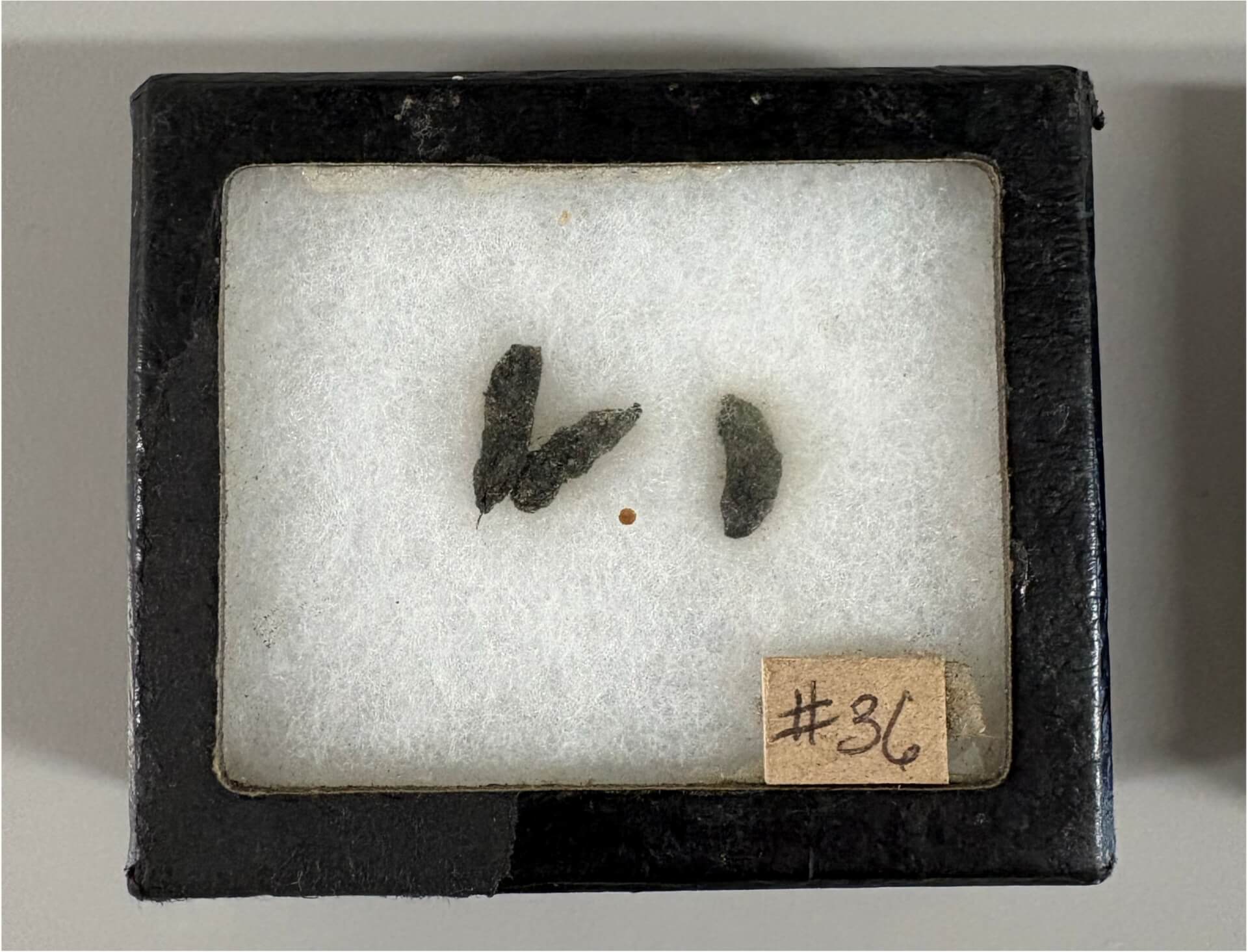
Rat poop is usually brown or black and resembles a short cylinder. Each dropping is roughly the size of a raisin, with ends that appear blunt or rounded.
Rat droppings are often found in groups rather than individually. Look for them in less visible areas of the home, including:
- Along walls
- Inside cabinets
- Around food storage areas
- In attics
- In basements
Discovering rat poop in these locations may be a sign that rats are using the area or moving through it.
What Does Mouse Poop Look Like?
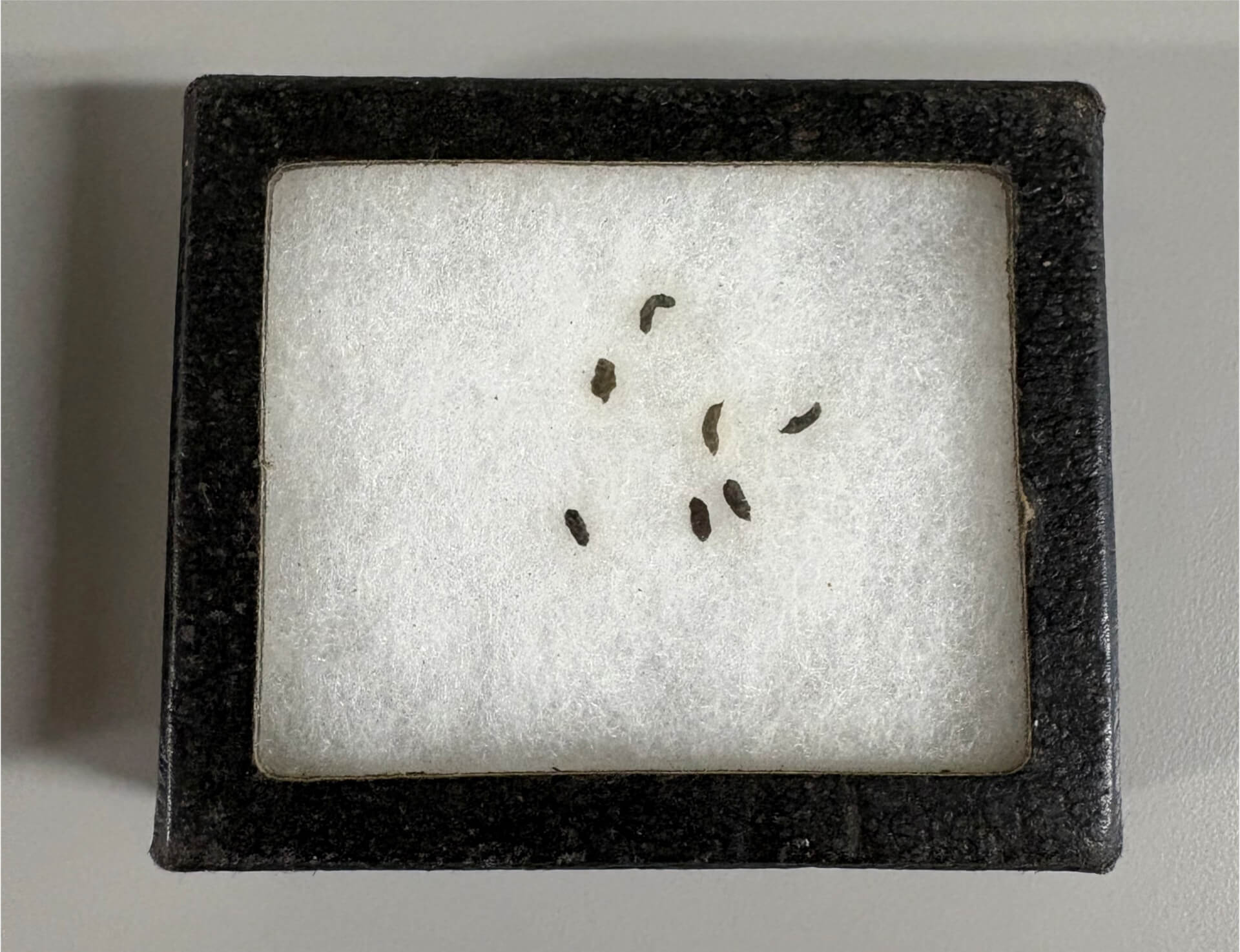
Mouse poop is smaller and more pointed than rat poop. It typically measures about the size of a grain of rice and has tapered ends rather than the rounded ends associated with rat droppings.
Mouse droppings are generally dark brown or black. They commonly appear in small clusters near food supplies or places where mice may be nesting.
When identifying mouse droppings, compare their size and shape with those of rat droppings. Although the color may look similar, the difference in dimensions and the shape of the ends can help you determine which rodent may be present.
Health Risks Associated with Rodent Droppings
Finding rodent waste is not simply a housekeeping concern. Rat poop and mouse poop can pose health risks when people come into contact with contaminated materials.
Exposure to rat droppings may occur through accidentally eating contaminated food or inhaling dust particles released from dried rodent waste. Such exposure can result in serious illness.
Diseases associated with rat droppings and mouse droppings include:
- Hantavirus
- Rat-bite fever
- Salmonellosis
- Leptospirosis
Dried droppings can release airborne particles when disturbed. Taking care when handling or cleaning rodent waste is therefore important to help avoid exposure.
How to Help Prevent a Rat Infestation
Keeping rats out of your home begins with identifying and sealing the openings they may use to enter. Rats can squeeze through gaps as small as a quarter, making it essential to close cracks and holes in walls and foundations.
Several practical steps can help discourage rodents from settling in your home:
- Close potential entry points: Seal cracks, gaps, and holes in the foundation, walls, and areas surrounding utility lines.
- Protect food supplies: Store food, including pet food, in sealed, chew-resistant containers.
- Keep outdoor spaces maintained: Remove debris and overgrown vegetation that could provide places for rodents to nest.
- Resolve moisture problems: Address standing water and other moisture issues that may attract rodents seeking water.
If you discover rat poop, avoid rushing into cleanup without taking the necessary precautions. Dried droppings can release potentially harmful particles into the air, so proper ventilation and protective equipment are important.
Contact OPC for Help with Rodent Concerns
We understand that contacting a pest control professional is about more than removing unwanted pests. It’s about feeling comfortable and secure in your home again.
If rat droppings or mouse droppings have you concerned about rodent activity, contact OPC for assistance
Frequently Asked Questions About Rat Poop and Mouse Poop
Q: Is It Safe to Clean Up Rat Poop Myself?
A: It may be possible to clean up rat poop yourself if you follow appropriate precautions. Ventilate the area, do not sweep or vacuum dry droppings, and wear gloves and a mask before disinfecting the affected area. When droppings are associated with an extensive infestation, contacting a pest control professional is the safer choice.
Q: How Can I Tell Whether I Have Rats or Mice in My House?
A: Droppings can provide one of the clearest clues. Rat poop is approximately the size of a raisin and has blunt ends. Mouse poop is closer to the size of a grain of rice and has pointed ends. Other signs that may help you distinguish between rats and mice include gnaw marks, grease trails, and nesting materials.
Q: How Quickly Do Rats Reproduce Once They Enter a Home?
A: Rats reproduce rapidly, and females can have several litters each year. This means a small rat problem can grow into a larger infestation relatively quickly. Taking action early is important to help prevent a developing rodent problem from becoming more extensive.
Q: How Can You Tell Fresh Rat Droppings from Old Ones?
A: Fresh rat droppings are typically dark, moist, and shiny. As they age, the droppings dry out, become harder, and gradually turn grayish in color. Fresh rat droppings can indicate that rats are currently active in the area, rather than having been present only in the past.
