Fungus Gnat Facts & Information
Everything you need to know about fungus gnats
What Do Fungus Gnats Look Like
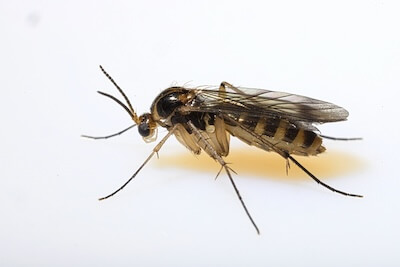
Fungus gnats, a species of fly, are tiny, delicate, mosquito-like flying insects about 1/16 to 1/8 inch long with dark bodies, long legs, and long antennae. Adults are weak fliers often seen hovering near houseplants or resting on wet soil. The larvae are microscopic, worm-like, translucent maggots that live inside the soil.Not the fly you have?
How Did I Get Fungus Gnats
Fungus gnats are primarily caused by the combination of overwatered houseplants and nutrient-rich, damp soil. Adult gnats are drawn to moisture and decaying organic matter where they lay eggs. The resulting larvae feed on fungi, root hairs, and decomposing plant material. So, you easily could have brought fungus gnats in on a new plant or in contaminated soil.
Where Do Fungus Gnats Live
Since they prefer overwatered plants and damp soil, the most common place you’ll find fungus gnats is in potted houseplants. They thrive in rooms with high moisture and stagnant air like bathrooms, kitchens, and basements. Outside, they are abundant in damp leaf litter, decaying vegetable matter, mulch, and garden soil. Businesses with live plants and landscaping (like malls, hotel lobbies, etc.), greenhouses, and nurseries are major breeding grounds for fungus gnats due to constant watering and high humidity levels.
What Problems Do Fungus Gnats Cause
Fungus gnats mostly cause problems for plants. Fungus gnats will damage the root systems which will cause them to struggle to absorb water. That can cause sudden wilting or drooping even though the soil is visibly moist. It can stunt the plants’ growth, make the leaves to turn yellow and prematurely fall off, and cause root loss. Since fungus gnats are often mistaken for other pests, they can also cause reputational harm. Nobody wants to sit down with their cheeseburger and fries at the food court and be swatting away flies.
How Do I Prevent Fungus Gnats
You certainly won’t have fungus gnats if you don’t have plants in your home or business! But what’s the fun in that? There are some DIY fungus gnat remedies you can use like yellow sticky traps you can put on wooden stakes to trap the adults. They are drawn to the bright yellow color and will get stuck there, preventing them from laying eggs in your soil. We recommend that you call horticultural specialists to evaluate plants which appear to be heavily infested. Since fungus gnats thrive in constantly damp, organic-rich soil, you can always allow the top layer of your soil to dry completely before watering again, ensure your pots have adequate drainage holes and never let your plant sit in a water-filled saucer. For more severe infestations, repot the plant in fresh, high-quality potting mix. Gently rinse the old soil completely off the roots before repotting to ensure no larvae remain.
WHY OPC FOR FUNGUS GNAT CONTROL
We’re passionate about keeping fungus gnats out of your home or business because we live and work here – it’s our neighborhood, too. We’ve been keeping homes and businesses in Kentucky, Ohio, Illinois, Indiana, Wisconsin, and Tennessee safe from pests since 1972. OPC Pest Services has the experience you can trust.
Expert pest control since 1972
Quality Pro certified company
Satisfaction guarantee

Need help with fungus gnats?
GET MY QUOTE
