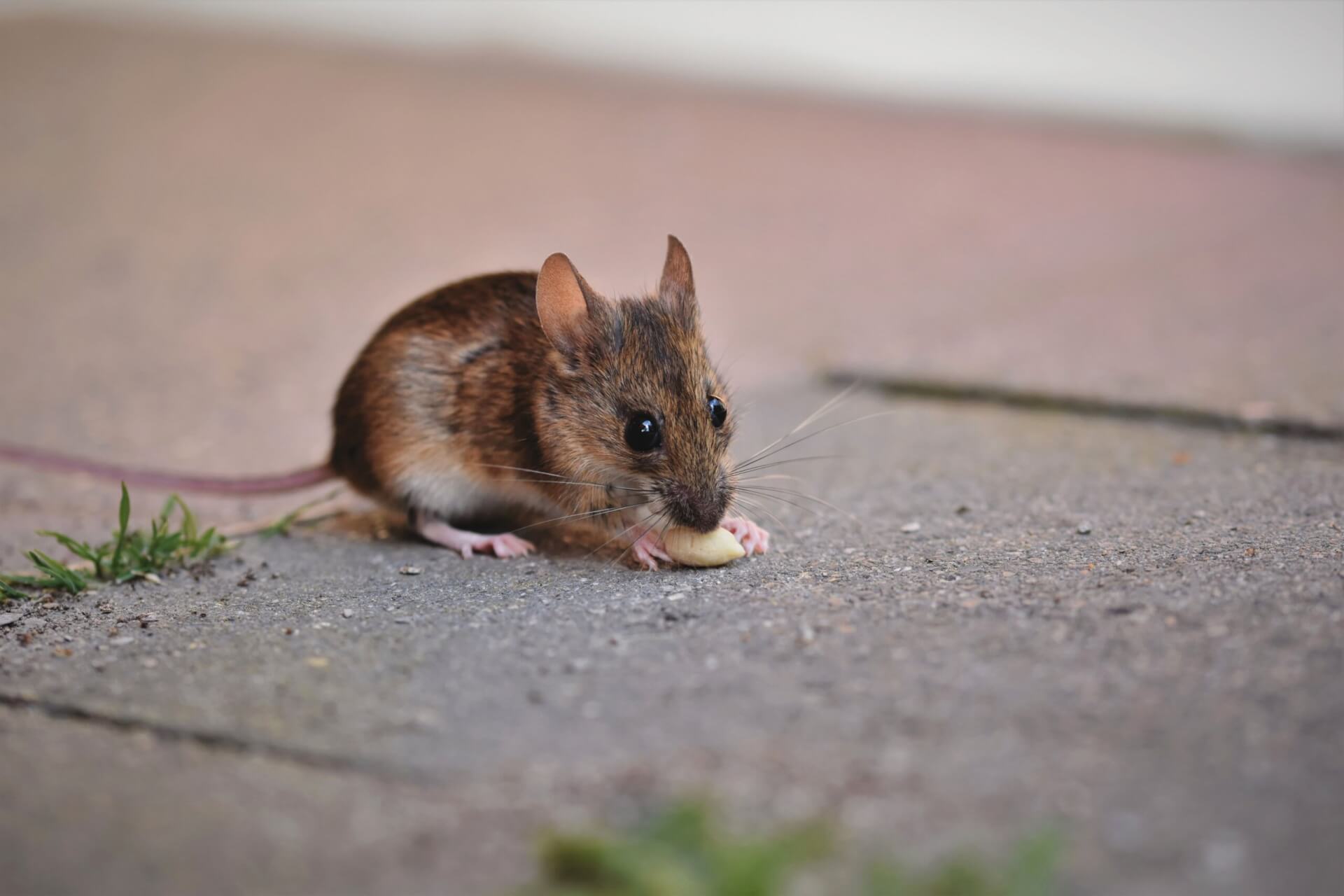
Rodents living in your attic may be out of your sight, but they can be silently damaging your house and putting your family’s health at risk. What begins with a few scratching noises can quickly progress to house damage, air contamination, and a full-blown rodent infestation.
This guide will walk you through why attics are a rodent magnet, how rodents affect your health, what signs to look out for, and when it’s time to call in the professionals.
Common Rodent Problems in Households
Households are commonly plagued by mice and rats that can squeeze through an opening as small as a coin in search of warmth, protection, and sustenance.
Once inside, rodents can:
- Damage electrical wiring possibly leading to fire hazards
- Damage wood beams and stored items
- Contaminate surfaces and even the air you breathe with feces and urine
- Quickly reproduce and spread throughout the house
Rodents are recognized carriers of over 35 diseases that can be directly transmitted to humans or indirectly transmitted via fleas and ticks. Even a tiny opening can quickly become a rodent problem if left unchecked.
Why Attics Are the Perfect Rodent Hideout
Attics provide rodents with all they need:
- Quiet and low-traffic areas
- Dense insulation for burrowing and nesting
- Safety from predators
- Easy entry points through rooflines, vents, and utility penetrations
In colder seasons, attics become particularly appealing as rodents seek warmer locations. After gaining entry, they can migrate through wall voids and ceiling areas and contaminating regions closer to living spaces, kitchens, and HVAC systems.
Common Types of Rodents Found in Residential Attics
House Mice
House mice are small and prolific breeders, leaving many droppings in wall areas and travel routes. A small problem can rapidly become a large one because of their quick breeding cycle.
Roof Rats
Skilled climbers, roof rats use trees, power cables, and roof edges to gain access to attic areas. They are most prevalent in urban and suburban regions.
Norway Rats (Also referred to as Sewer Rats)
Usually discovered in basements or crawlspace areas initially, Norway rats can eventually gain access to attic areas through wall voids.
Each of these rodents can lead to home damage and the introduction of disease-causing pathogens into your home.
How Rodents Affect Human Health
Rodents pose health risks to humans both directly and through contaminated environments. Their feces, urine, and saliva can transmit pathogens that cause life-threatening diseases, such as:
- Hantavirus pulmonary syndrome
- Leptospirosis
- Salmonellosis
According to the Centers for Disease Control and Prevention (CDC), breathing in dust contaminated with rodent feces can raise the chances of infection. Even mere sweeping or vacuuming of the feces without taking the necessary precautions can spread harmful particles into the air.
How Rodents Contaminate Air, Insulation, and Living Spaces
Dried rodent feces in attic insulation can disintegrate into minute particles. When disturbed, these particles can become airborne.
Contaminants can:
- Pass through minute holes in the ceiling
- Be sucked into heating, ventilation, and air conditioning (HVAC) systems
- Diffuse throughout your home
Aside from pathogens, rodents also transmit allergens that can exacerbate asthma and respiratory diseases. Rodent nesting materials can damage insulation, making it less energy-efficient, and give off pungent smells that can travel into living spaces.
Health Risks Linked to Attic Rodents
The following are some serious health risks that have been identified as being associated with rodents in home:
Hantavirus Pulmonary Syndrome
This is a rare but serious disease that is caused by the inhalation of contaminated dust.
Leptospirosis
This is a bacterial infection caused by the urine of rodents. If left untreated, it can cause kidney damage or liver failure.
Salmonellosis
This is a gastrointestinal disease that is caused by contact with contaminated food or surfaces.
The rodents also carry fleas and ticks that can cause other diseases including Lyme. This further increases the health risks associated with rodents.
Warning Signs of Rodent Activity You Should Never Ignore
Although you may not visit your attic often, warning signs of rodent infestation are likely to appear in other parts of your home. Those warning signs can include:
Sounds
- Scratching sounds in ceilings or walls
- Squeaking sounds at night
Physical Evidence
- Small, dark droppings near baseboards or attic access points
- Damaged wires or gnaw marks
- Damaged insulation or nesting materials
Odors
- Musty or animal-like smells coming from vents or ceilings
Ignoring these signs allows infestations to grow, increasing both repair costs and health risks.
Monitoring and Early Detection
Early detection is one of the most effective methods of preventing large infestations.
Practical Monitoring Steps
Inspect the Attic
Look for signs several times a year for:
- Droppings
- Nesting materials
- Damaged insulation
- Gnaw marks
Seal Entry Points
Look for cracks and crevices around rooflines, vents, chimneys, and utility lines and have them filled. Even small holes should be sealed.
Use Monitoring Devices
Traps with covers or monitoring stations can be used to detect early signs of infestation. Records should be kept of any captures or signs.
Regular monitoring will help identify problems before they affect air quality and structural integrity.
How to Get Rid of Rodents in the Attic
Getting rid of rodents in the attic means dealing with both the rodents and their waste.
Step 1: Seal Entry Points
Prevent new rodents from entering while you get rid of the ones that are there.
Step 2: Use Proper Trapping Methods
Set traps along paths. Do not use loose poisons that can create odor problems and pet hazards.
Step 3: Clean and Disinfect Safely
Follow health department instructions when cleaning rodent waste. Protective gear is necessary to prevent breathing in contaminated dust.
Insulation heavily contaminated with rodents may have to be completely removed and replaced, as it cannot be cleaned sufficiently.
When to Call a Professional Rodent Control Company
A professional rodent control service is recommended when:
- Noise is frequent or droppings are widespread
- Damage to wiring or insulation is extensive
- Strong odors are present
- Asthma, allergies, or compromised immunity exist within the household
Professionals possess the training, equipment, and sanitation procedures required to eliminate rodents, safely clean up contamination, and help prevent re-entry.
FAQs About Attic Rodents and Health
1. How do rodents in the attic get into the rest of the house?
They travel through wall spaces, pipe runs, and small openings, leaving contamination in their path.
2. Can rodents affect health even if they stay in the attic?
Yes. Particulates from dried droppings become airborne and are distributed through heating and cooling systems, where they can be inhaled. Airborne particles from dried droppings can circulate through HVAC systems and be inhaled triggering asthma and allergic reactions.
3. What are early warning signs to watch for?
Nighttime scratching noises, droppings, gnaw marks, and new musty odors near ceilings or vents.
4. Can I clean contaminated insulation myself?
Cleaning without proper safety equipment can release harmful particulates. Heavily contaminated insulation should be removed and cleaned by a professional.
5. How can I safely eliminate rodents in the attic?
Seal entry points, use traps in strategic locations, follow proper cleaning protocols, and consider professional help. Having rodents in the attic is more than a nuisance. It is a structural and health hazard that can quietly affect your home. Taking early measures, maintaining proper sanitation, and seeking professional help can help safeguard your home and your family’s health.
